
STEM Fair 2026
Aerodynamics & Aeroplanes
The science of how things fly — made simple
Presented by Aarav B, John Z, Adam-Zak
Before we get into simulators and experiments — here are the 8 key ideas you need to understand aerodynamics. Each one is simple, and you already experience them every day without knowing it.
The upward force that keeps a plane in the air. Created by air moving over the wings.
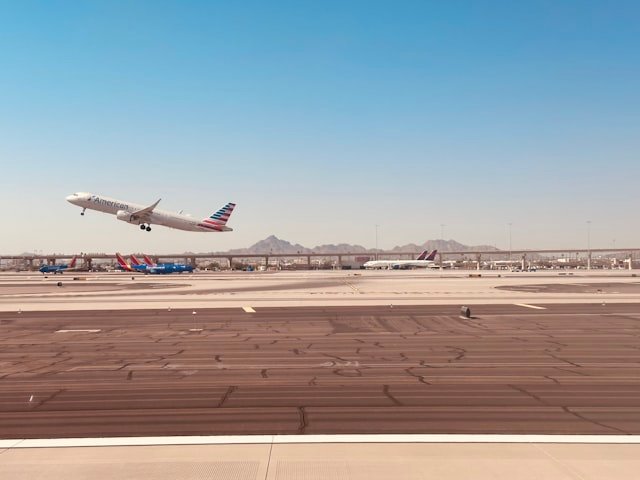 Real life: Hold paper near your mouth and blow over it — it rises. That's lift. Same thing happens to a 400-tonne plane, just with way more air.
Gravity pulls everything down. A plane has to create enough lift to beat its own weight or it falls.
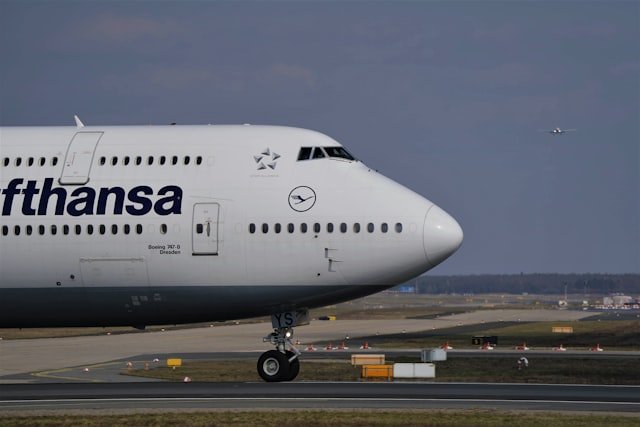 Real life: Drop a ball — it falls. That's weight. A Boeing 747 weighs 180,000 kg. The wings have to push upward harder than that, every single second.
The forward push from the engines. Without thrust, there's no speed. Without speed, there's no air over the wings. Without air over the wings, there's no lift.
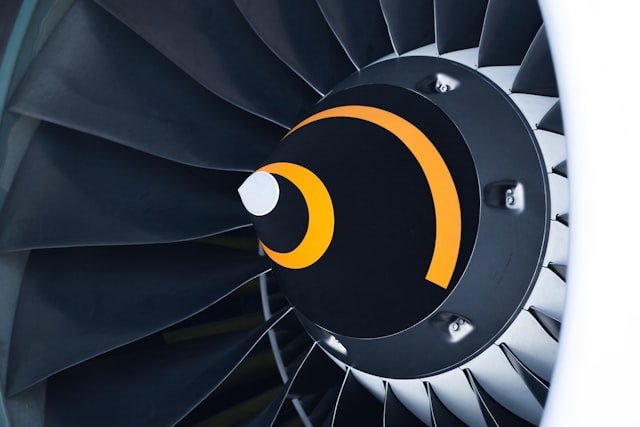 Real life: Pedalling a bike = thrust. Stop pedalling and you slow down. A jet engine blasts hot air backward at 1,500 km/h — Newton's Third Law pushes the plane forward.
Air resistance — it pushes against anything moving through it. The faster you go, the more drag you get (it increases with the square of speed!).
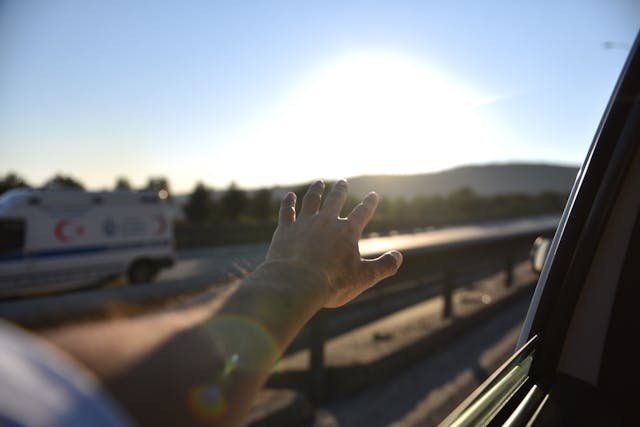 Real life: Stick your hand out a car window. Palm flat = low drag. Turn it sideways = huge drag. That's why planes are tube-shaped, not brick-shaped.
When air moves faster, its pressure drops. The curved top of a wing makes air go faster above than below — low pressure on top, high pressure below — and the wing gets pushed up.
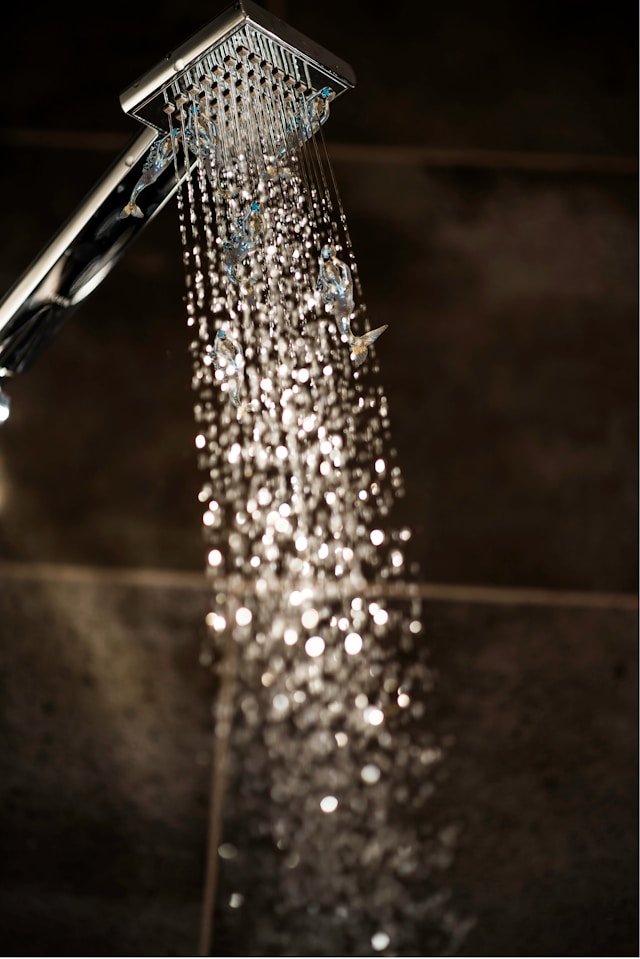 Real life: Ever noticed the shower curtain gets sucked inward when you're showering? Fast water creates low pressure — same idea as a wing!
Every action has an equal and opposite reaction. Wings push air DOWN, so air pushes wings UP. Engines blast air BACKWARD, so the plane goes FORWARD.
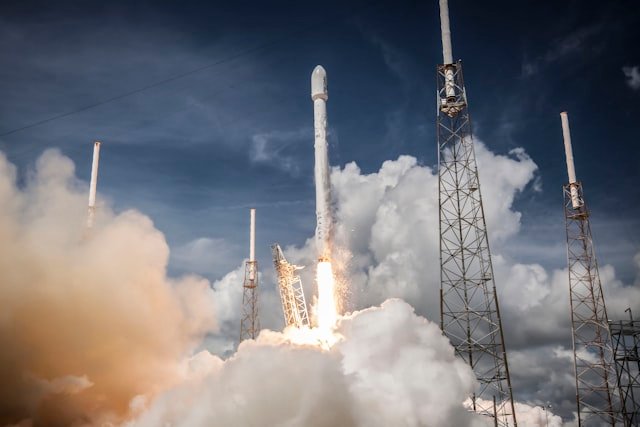 Real life: Blow up a balloon and let it go — air goes one way, balloon flies the other. That's exactly how a jet engine works. Also how you swim — push water back, you go forward.
Shaping something so air flows smoothly around it instead of smashing into it. Less messy airflow = less drag = less fuel needed.
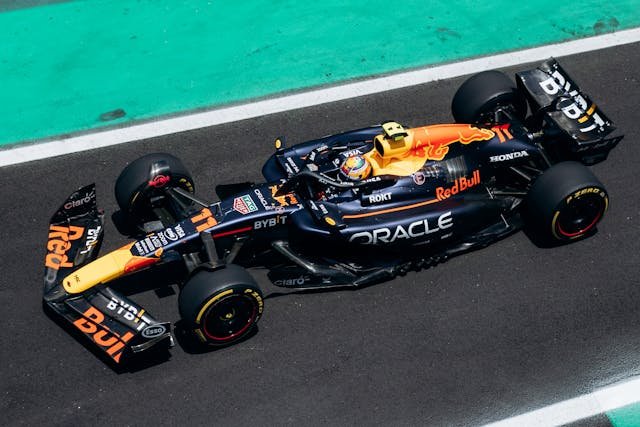 Real life: A teardrop shape has 10x less drag than a flat plate. That's why planes, racing cars, and even cycling helmets are all smooth and curved — not flat and boxy.
The tilt of the wing compared to the incoming air. A small tilt = more lift. Too much tilt = the air breaks away and the wing "stalls" (suddenly loses lift).
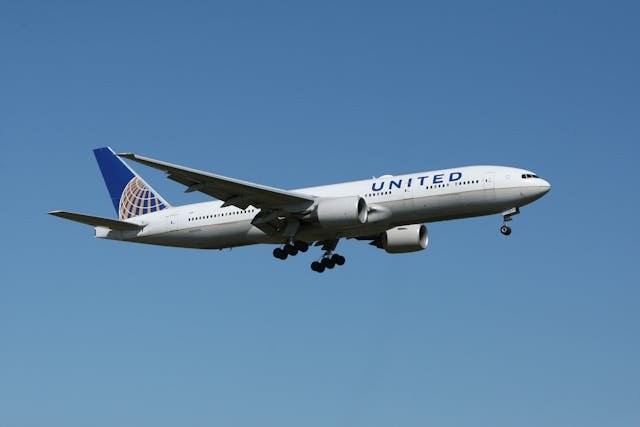 Real life: Tilt your hand slightly up in the wind — it lifts. Tilt it too much and it just gets slammed back. Pilots have to find the sweet spot, usually around 4-15 degrees.
Right now, this plane is sitting on the ground with the engines off. Your job? Get it flying! Use the arrow keys (or the buttons in the simulator) to control thrust and wing angle. Watch what happens to the four force arrows as the plane takes off, cruises, and lands.

An aeroplane wing isn't flat — it has a special curved shape called an aerofoil. The top surface is more curved than the bottom. This is the key to everything!
The curved top forces air to travel a longer distance. The air speeds up to keep pace. Faster air = lower pressure (Bernoulli's principle). The higher pressure underneath pushes the wing upward — that's lift!
Shower curtain attacking you? When hot water flows fast inside the shower, it creates low pressure. Normal air pressure outside pushes the curtain inward. Same principle as lift!
Car window at speed? Open your car window on the motorway and feel the air rushing past the opening. Papers and light objects get sucked TOWARD the window — fast air outside = low pressure pulling things out.
Two buses passing each other? Fast air squeezed between them creates low pressure, pulling them together. Bus drivers are trained for this!
Pilots can tilt the wing slightly upward (the angle of attack). This deflects more air downward, and by Newton's Third Law (every action has an equal and opposite reaction), the wing gets pushed UP even more. But too steep and the air breaks away — the wing stalls and loses lift!
Those curved tips are called winglets. High pressure air from underneath tries to curl around the wingtip to the low pressure area above, creating mini tornadoes (vortices). Winglets block this, reducing drag by up to 6% and saving millions of litres of fuel every year!
A typical commercial plane needs to reach about 250-290 km/h on the runway before there's enough air flowing over the wings to generate enough lift. That's why runways are 2-4 km long! Once airborne, planes cruise at 800-950 km/h, generating enormous lift. A Cessna light aircraft, with much less weight, only needs about 100 km/h.
Aerodynamics isn't just about aeroplanes — it's everywhere! From the football you kick to the car you ride in. Click each concept below to explore it, and try the experiments at home.
These simple experiments prove real aerodynamic principles — perfect to show during your presentation.
3 challenges. ~40 seconds. Earn your wings!
Today's trainee pilots! Complete the Pilot Training Academy to earn your wings.
Presented by Aarav B, John Z, Adam-Zak — St Margaret’s School, Bushey — STEM Fair 2026